
Sunday, February 7, 2016
LAD #30- Schenck vs. US
In March of 1919, an American socialist, Charles Schenck faced the Supreme Court because of the government's suppression of rights, he wanted to peacefully resist the Conscription Act. Schenck was a radical, working during the war to get men to "draft dodge" and this hindrance of recruitment caused him to be charged with a violation of the Espionage Act. Progressives believed the draft was unconstitutional because the thirteenth amendment outlawed involuntary servitude. The government issued the Espionage Act during the war, and like the Sedition Act passed by Great Britain, suppressed the freedom of speech. The Act was an excuse to imprison socialists who posed a threat to the war and the government. Schenck made an appeal to the Supreme Court and in it his argument was that the Espionage Act was unconstitutional, violating his First Amendment rights. Justice Oliver Holmes articulated that when free speech presents a "clear and apparent danger", especially during war time. Schenck's anti war writings had presented a danger to the U.S. war effort and attempted to get people to be military insubordinates. The government was afraid. They were in a war and they thought Schenck's actions could cause disobedience so they unanimously voted against him. Therefore it was ruled free speech can be limited in wartime.


Sunday, January 17, 2016
LAD #29: Keating-Owen Child Labor Act
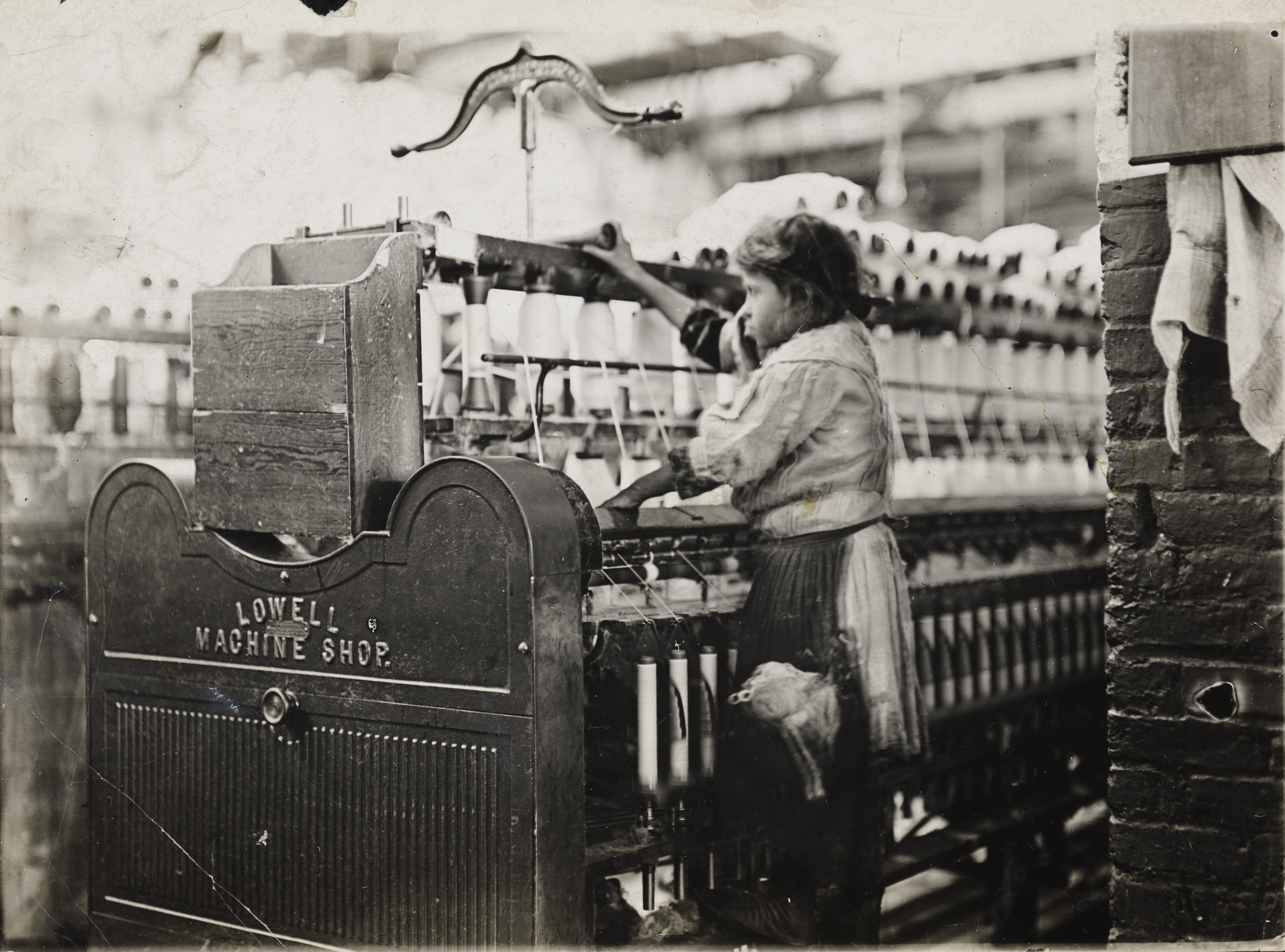
This act limited the number of hours children could work and stated that goods produced by child labor could not be sold over the states borders. This act stemmed from the muckrakers push for social reform. Due to this children under 16 could not work more than eight hours a day. This was later ruled unconstitutional because it restricted interstate commerce. Eventually a different child labor law was passed.

LAD #28: Wilson's First Inaugural
Woodrow Wilson starts off with discussing the governments change to favor the democratic party. He says the nation needs the democrats to change the nation- the nations point of view needs changing. The nation has good and bad aspects to it, which he lists. For example, the structure of the government is great, but bad things like human suffering brought on by the economic expansion of the nation were extremely negative effects of the government. According to Wilson, the government needs to fix its wrong doings brought on by industrialization. Issues that need resolving are the bank, the tariff, the agriculture and the industry. Natural resources are being exploited so they also need to be preserved. The governments job is to protect its people and they will do that with sanitation laws, pure food laws, and labor laws. He ends with "Today is not a day of triumph; it is a day of dedication."


LAD #27: The Clayton Anti-Trust Act
The Clayton Anti-Trust Act was passed to go along with the Sherman Anti-Trust Act. This was made to disband monopolies to protect workers. It also stopped exclusive sales contracts, corporate pooling's, and trust formations. It also stopped people from serving on the board of connecting companies and fines for unfair practices. It protected unions also, unlike the Sherman Anti-Trust Act.


LAD #26: MLK's 'I Have a Dream' Speech
The emancipation proclamation brought hope and joy to African America, but 100 years later, they are still hoping for the freedom they thought had been achieved. The nation said all men were created equal, but that statement has not been honored. So African-Americans went to the capital to demand the freedom and justice they deserve. The time for equality is now, the nation will not rest until equality has happened, but everyone must also not become people of hatred or violence. All brothers white and black, have their freedoms encased with one another. People must keep walking forward, as long as there is not equality, then African-Americans will not be satisfied. Do not despair though, changes will come. MLK then states that he has a dream, and says many of them including his children will "live in a nation where they will not be judged by the color of their skin but by the content of their heart." With the faith in these dreams, America will truly become a brotherhood. Let freedom ring.


Sunday, January 10, 2016
LAD #25: Dawes Severalty Act
In 1887, the president passed this act in order to take care of the Native Americans. This act created Indian Reservations, which would be on land that was unwanted by settlers. No reservation would be on land that was wanted by Americans. One quarter acre of land was allotted to each family, man over eighteen, and orphans, so they would have a space to live, and they could sell the land if they pleased. To a single person under eighteen one sixteenth of an acre land would be given. The president had the power to adjust this if he pleased, so they were not final. Reservation land could be decided by the Native Americans. Everyone who owned a share of the lands who benefit from it. Also if Native Americans wanted citizenship, it was offered to some tribes.


LAD #24: Jennings Bryan's Cross of Gold Speech
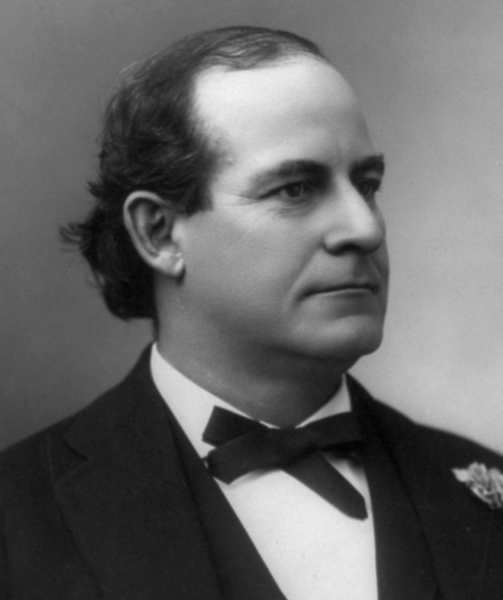
William Jennings Bryant starts by talking about the value of American workers, and the great country that America. To him we need more silver coins than gold and that would help our economy,it was hurting the farmers, a belief of the Populist Party and the Silver Democrats, who wanted silver also. Only wealthy men could use the silver that was cheaper than gold. The choice to do this would benefit the American public, and farmers are as important to the economy as big business men. Farmers could use this change in money to pay off the debts. He also believed in an income tax because it would benefit the people. Man should not be forced to spend his life for money, it should be more for the common man.

Subscribe to:
Posts (Atom)